


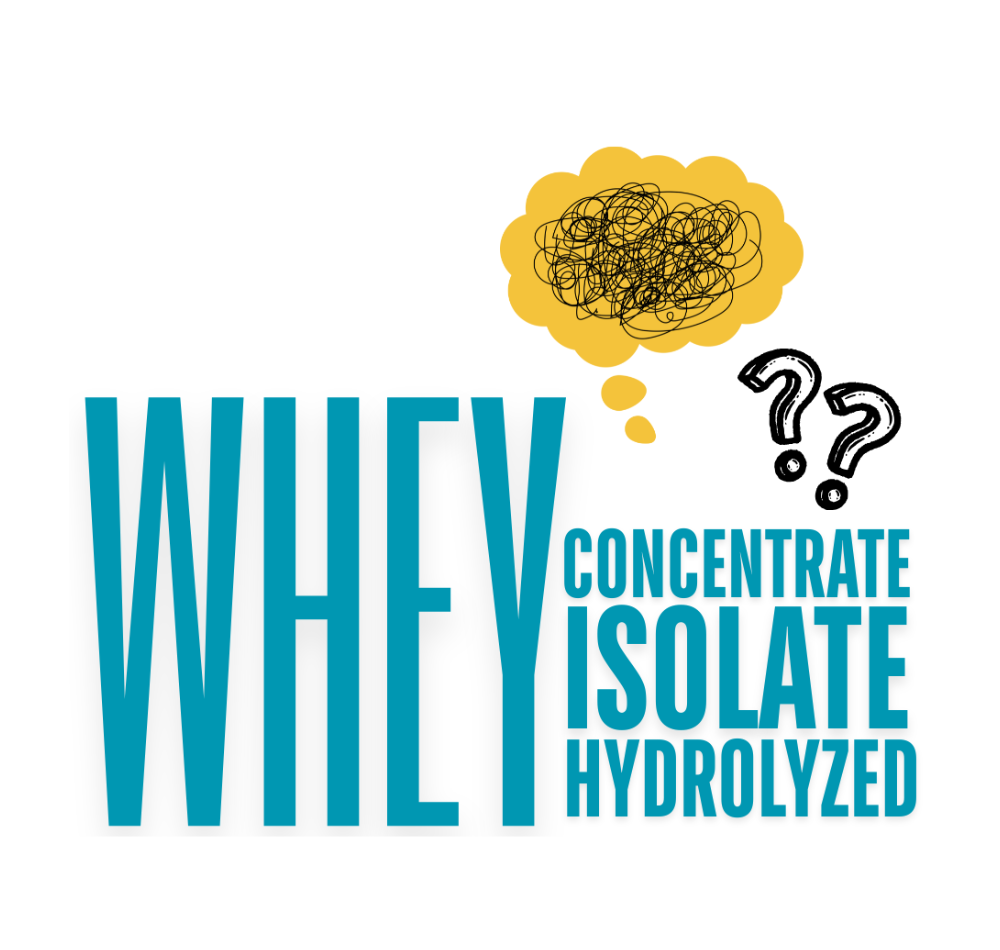
Whey Concentrate vs. Whey Isolate vs. Whey Hydrolysate
Whey Concentrate vs. Whey Isolate vs. Whey Hydrolysate: Key Differences Explained
Whey protein is one of the most widely used supplements for building muscle, supporting recovery, and improving overall nutrition. But with so many forms—Whey Concentrate, Whey Isolate, and Whey Hydrolysate—choosing the right one can be confusing.
This guide breaks down each type, how they're made, who they suit best, and which one might be right for your fitness goals.
1. What is Whey Protein?
Whey protein is derived from milk during the cheese-making process. It contains all essential amino acids and is rich in BCAAs (branched-chain amino acids)—especially leucine, which plays a key role in muscle protein synthesis.
The main differences between whey types come from the processing methods, which affect:
-
Protein purity
-
Lactose content
-
Digestion speed
-
Cost
2. Whey Concentrate
Overview
Whey Concentrate is the least processed form of whey protein. It typically contains:
-
Protein: 70–80%
-
Fat & carbs: Moderate
-
Lactose: Higher than isolate and hydrolysate
How it’s made
After filtration, some fats and carbohydrates remain, giving the powder a more balanced nutritional profile.
Pros
-
More affordable
-
Contains beneficial bioactive compounds
-
Richer flavor and creamier texture
-
Good for beginners and general fitness
Cons
-
Higher lactose → may cause bloating in lactose-sensitive individuals
-
Slightly slower digestion
Best for
Beginners, casual gym-goers, people without lactose intolerance
3. Whey Isolate
Overview
Whey Isolate goes through additional filtration, removing most fats and carbs. It typically contains:
-
Protein: 90%+
-
Fat & carbs: Very low
-
Lactose: Minimal
How it’s made
Cross-flow microfiltration strips non-protein components, making it purer and faster-digesting.
Pros
-
High protein purity
-
Very low lactose → easier on the stomach
-
Supports lean muscle gain
-
Fast absorption
Cons
-
More expensive than concentrate
-
Slightly less creamy taste
Best for
Athletes, people in cutting phases, lactose-sensitive individuals, those who want fast absorption
4. Whey Hydrolysate
Overview
Whey Hydrolysate (or Hydrolyzed Whey) is pre-digested using enzymes, breaking protein chains into smaller peptides.
It contains:
-
Protein: 90%+
-
Fat & carbs: Very low
-
Digestion: Fastest among all whey types
How it’s made
Enzymatic hydrolysis breaks down protein molecules, making it extremely quick to absorb.
Pros
-
Fastest digestion → ideal post-workout
-
Lowest allergen potential
-
Almost zero lactose
-
Helps reduce muscle soreness (supported by clinical studies)
Cons
-
Most expensive form
-
Taste can be slightly bitter
Best for
Athletes, bodybuilders, people with sensitive digestion, elite-level recovery needs
5. Quick Comparison Table
| Feature | Whey Concentrate | Whey Isolate | Whey Hydrolysate |
|---|---|---|---|
| Protein % | 70–80% | 90%+ | 90%+ |
| Lactose | Moderate | Low | Very low |
| Digestion Speed | Moderate | Fast | Fastest |
| Price | $$ | $$$ | $$$$ |
| Best For | Beginners | Intermediate to advanced athletes | Professional athletes, fast recovery |
6. Which Type Should YOU Choose?
Choose Whey Concentrate if:
-
You’re a beginner
-
You want a budget-friendly protein
-
You tolerate lactose well
-
You prefer richer taste & creaminess
Choose Whey Isolate if:
-
You want high protein with low carbs/fats
-
You’re cutting or want lean physique
-
You’re lactose sensitive
-
You want faster absorption
Choose Whey Hydrolysate if:
-
You train intensely
-
You need ultra-fast absorption post-workout
-
You have digestive issues
-
You want the most advanced form of whey
Conclusion
All three forms of whey protein can support muscle growth and recovery—your choice depends on your digestion, fitness goals, and budget.
-
Whey Concentrate: Best overall value
-
Whey Isolate: Best for lean muscle & lactose sensitivity
-
Whey Hydrolysate: Best for fastest recovery & elite performance
 Home
Home All Products
 All Brands
 About Us